


Why One “Bad Day” Feels Like Everything Is Falling Apart

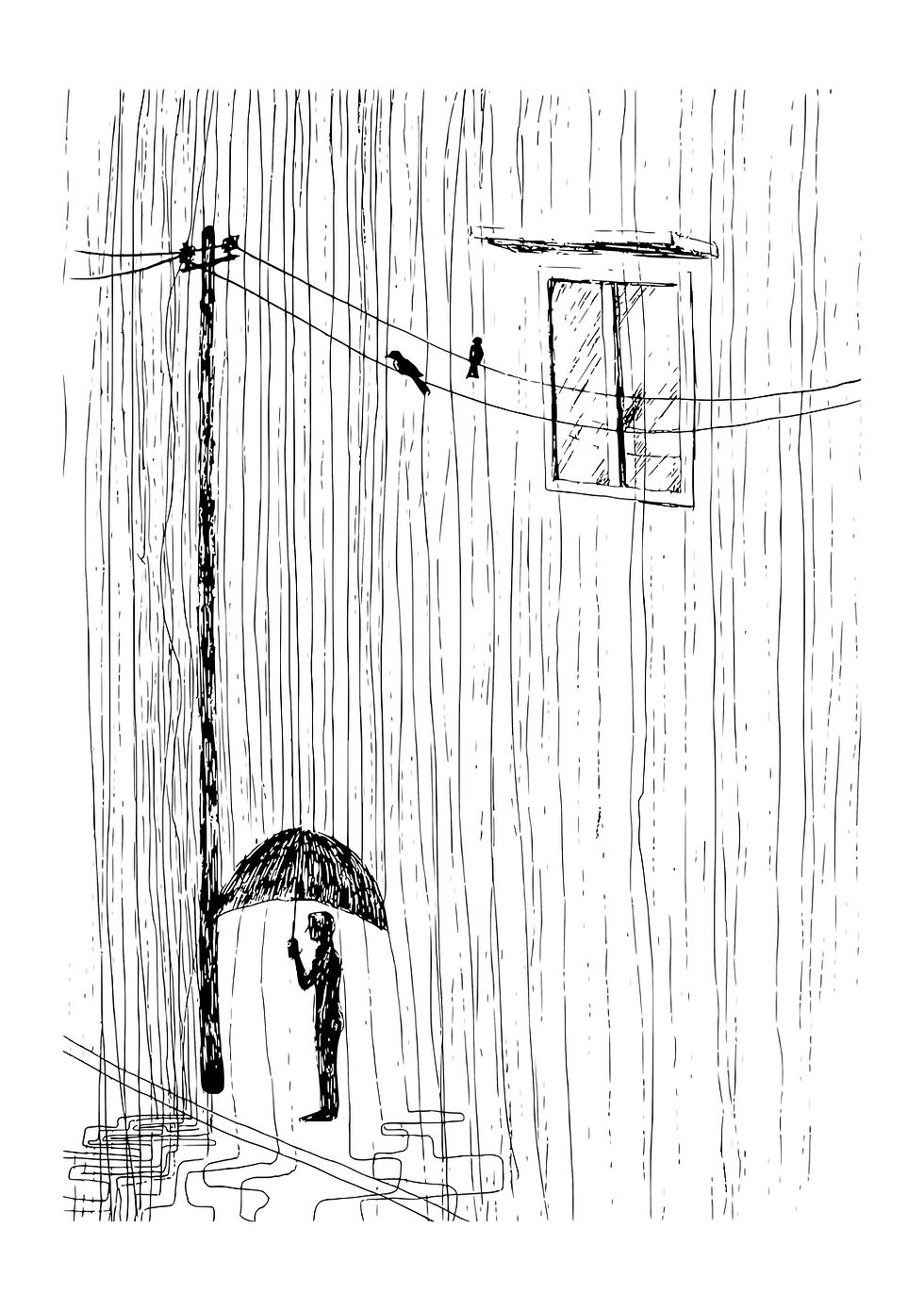
Do you ever have those days where one thing goes wrong at work or school, there’s a miscommunication with someone you care about, or you fall off your routine and suddenly drop into a hopeless space? Suddenly, you’re not good enough, everyone feels cruel, and the world is on fire (although some days it really does seem that way). One bad day feels like everything is falling apart, then the next day or week, you look back and wonder why it felt so overwhelming and all-consuming.
If so, you may have experienced what we call a cognitive distortion. These are patterns of thinking that can intensify negative beliefs about yourself, others, or a situation, making difficult emotions feel even heavier.
One of the most common cognitive distortions is all-or-nothing thinking. This pattern often pulls from past experiences and beliefs. If you’ve felt criticized, misunderstood, or “not enough” before, your brain may be quicker to return to those narratives in times of distress.
What is all-or-nothing thinking?
All-or-nothing thinking is when the brain sorts experiences into extremes. Something is either good or bad, success or failure, safe or unsafe, with little room for the in-between.
It might sound like: “I messed that up, so I’m terrible at this,” or “They seemed off, so they must be upset with me,” or “I missed one day of my routine, so I’ve completely fallen off.” Do any of these sound familiar?
In these moments, it can feel like an absolute truth rather than a pattern of thinking.
Why does one “bad” moment take over everything?
When something upsetting happens, it can push us outside our window of tolerance or safety zone, especially if we’re already tired, overwhelmed, or emotionally stretched. From there, the brain tries to make sense of the situation, often missing the nuance and complexity involved.
Instead of “I had a hard moment today,” it becomes, “Everything is falling apart.”
When everything feels like it’s falling apart, it becomes harder to step back and see the full picture. Over time, this pattern can quietly shape how we experience our days.
This can lead to:
Increased anxiety and overwhelm
Avoidance or shutdown
Strained relationships
A harsh inner dialogue
It becomes less about what actually happened and more about the story our mind builds around it.
So what can you do when you have a bad day?
Life will include moments of stress and sadness, and it’s okay to feel heavier emotions. This isn’t about forcing yourself to “think positive,” but about creating a little more space between the moment and the meaning you give it.
Here are a few ways to start:
1. Name what’s happening. Sometimes simply noticing, “This feels like all-or-nothing thinking,” can reduce the intensity. It helps you step back and observe the thought.
2. Slow the story down and find the middle ground. Ask yourself: “What actually happened?” “What am I telling myself about what happened?” These are often very different.
3. Ask yourself, “Will this matter later?” Will this matter tomorrow, next week, next month, or a year from now? This can help put things into perspective.
4. Check in with your body. Are you hungry, tired, overwhelmed, or overstimulated? Sometimes what feels emotional is also physical.
5. Reduce the pressure to fix everything immediately. You don’t need to solve everything at once. Giving yourself time can help your nervous system settle and give you the space to shift your perspective.
6. Practice self-compassion. If a friend came to you with the same situation, you likely wouldn’t see their whole day, or their whole self, as a failure. Try offering yourself that same kindness.And if it helps, remember you don’t have to navigate this alone. You can reach out to a trusted loved one or seek mental health support to gently shift these patterns.
And in case you need the reminder: you are doing the best you can today.

This post was written by Ashley Kabugo with editing support from AI. Ashley is a Canadian Certified Counsellor and offers compassionate support to help you care for yourself, navigate life’s demands, and work toward your goals. Connect for a free consultation to see how she can support you.
Comments